Innovative works from the collection

1. The Antwerp native who stepped out of his shell
As one of the first artists, Simon Denis (1755–1813) took his easel outdoors. He meticulously observed the Italian landscape for his oil sketches, painting dal vero—true and unadulterated. He noted specific observations on the back of the canvas to later develop the landscape as faithfully as possible, taking into account details such as light effects and fleeting cloud formations. Waterfall at Tivoli (1793) is one such preparatory study. It forms a fragment of one of the eight landscapes Denis painted between 1795 and 1797 for a salon at Schloss Emkendorf in northern Germany, establishing him as an unmistakable precursor of modern landscape painting.
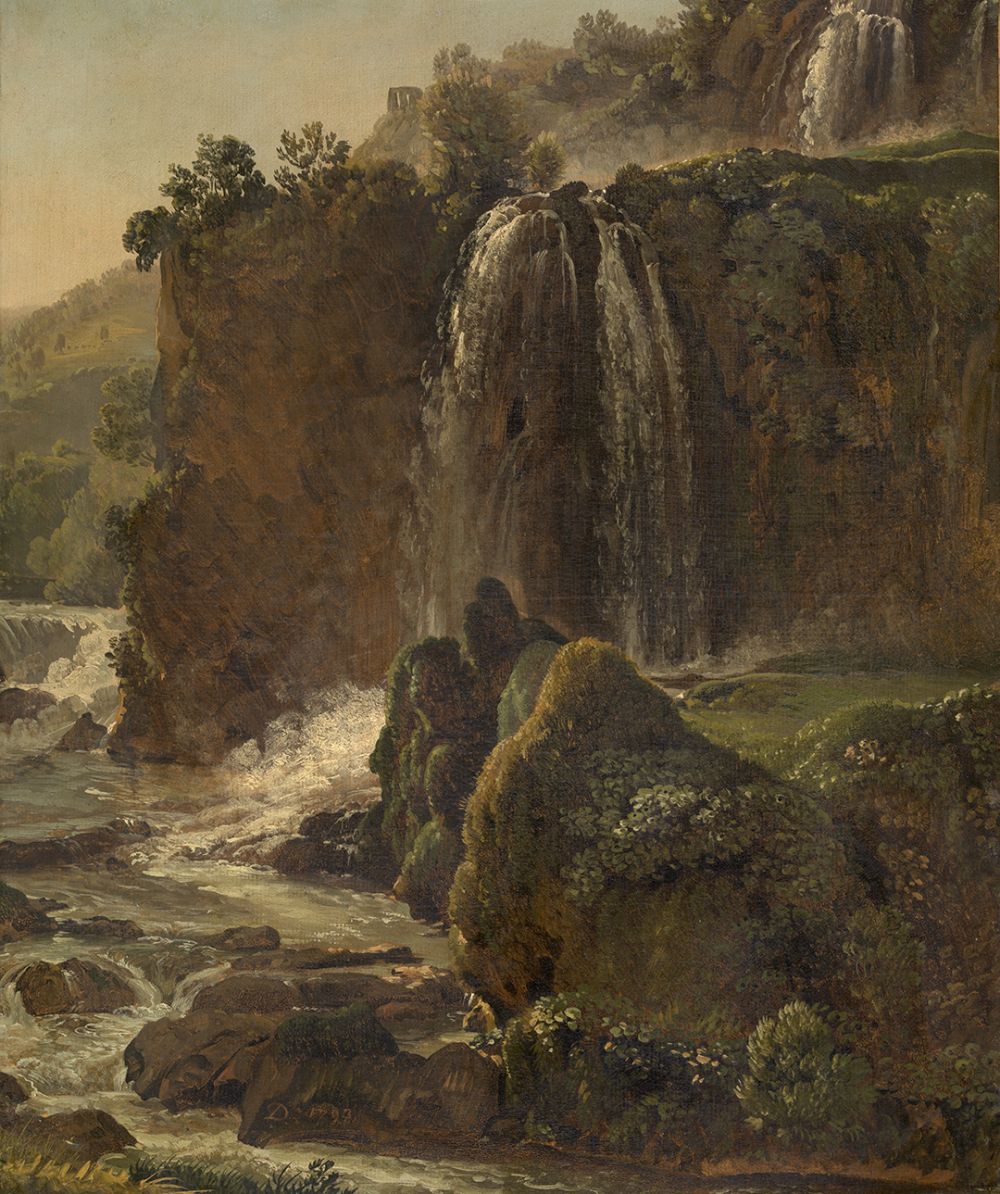
Waterfall at Tivoli - Simon Denis
Recently, this painting was granted “masterpiece” status by the Flemish government. The KMSKA also owns Italian Landscape by Simon Denis.
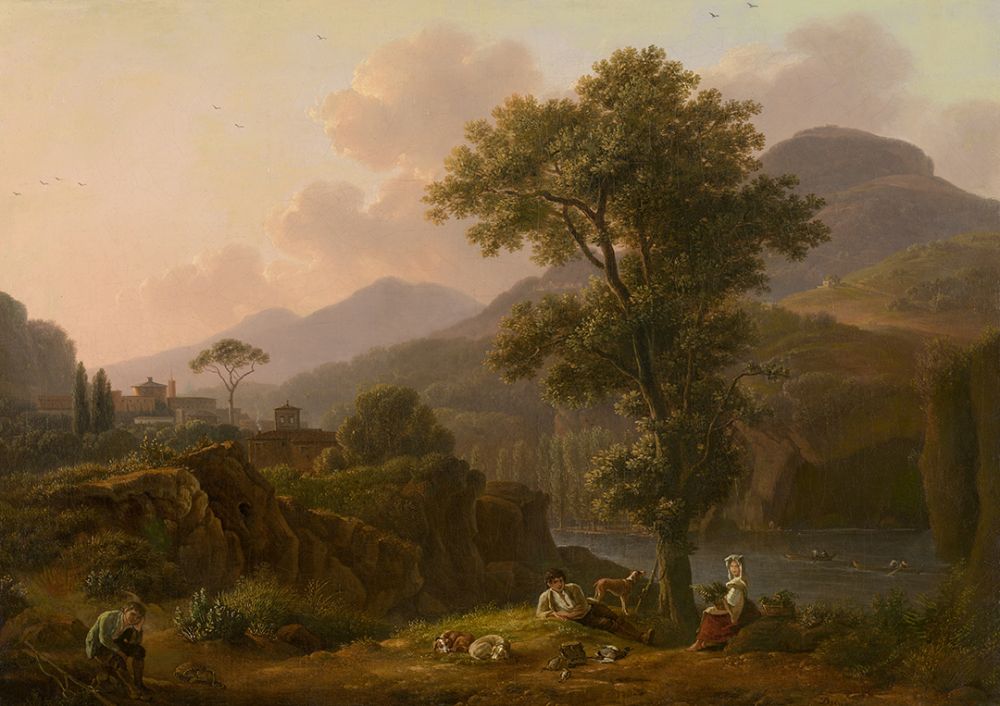
Italian Landscape - Simon Denis
2. Painting with fire and smoke
For the German ZERO artist Otto Piene, the artistic pursuit of beauty is akin to playing with fire. He literally sets his canvases alight—albeit briefly, as a kind of performance. First, he applies thin layers of flammable fixatives, then holds the corners of the canvas and manipulates the flames in the desired direction. He then works the blackened areas and surrounding surfaces with paint to create his famous “smoke paintings.” With Great Sun (1965), Piene evokes the illusion that the purifying fire clears the way for bright white light. You can almost feel it.

Great Sun - Otto Piene
3. A nail as a brush
Günther Uecker creates “nail fields” by quickly and rhythmically hammering thousands of nails into a panel. The nails are arranged in varying directions and patterns, forming a soft, undulating field of seemingly swaying nail heads—fluid like stalks of wheat in the wind. Depending on their position and movement, viewers experience a visually dynamic play of light, shadow, and vitality. Everyday materials and labor transformed into works of art.
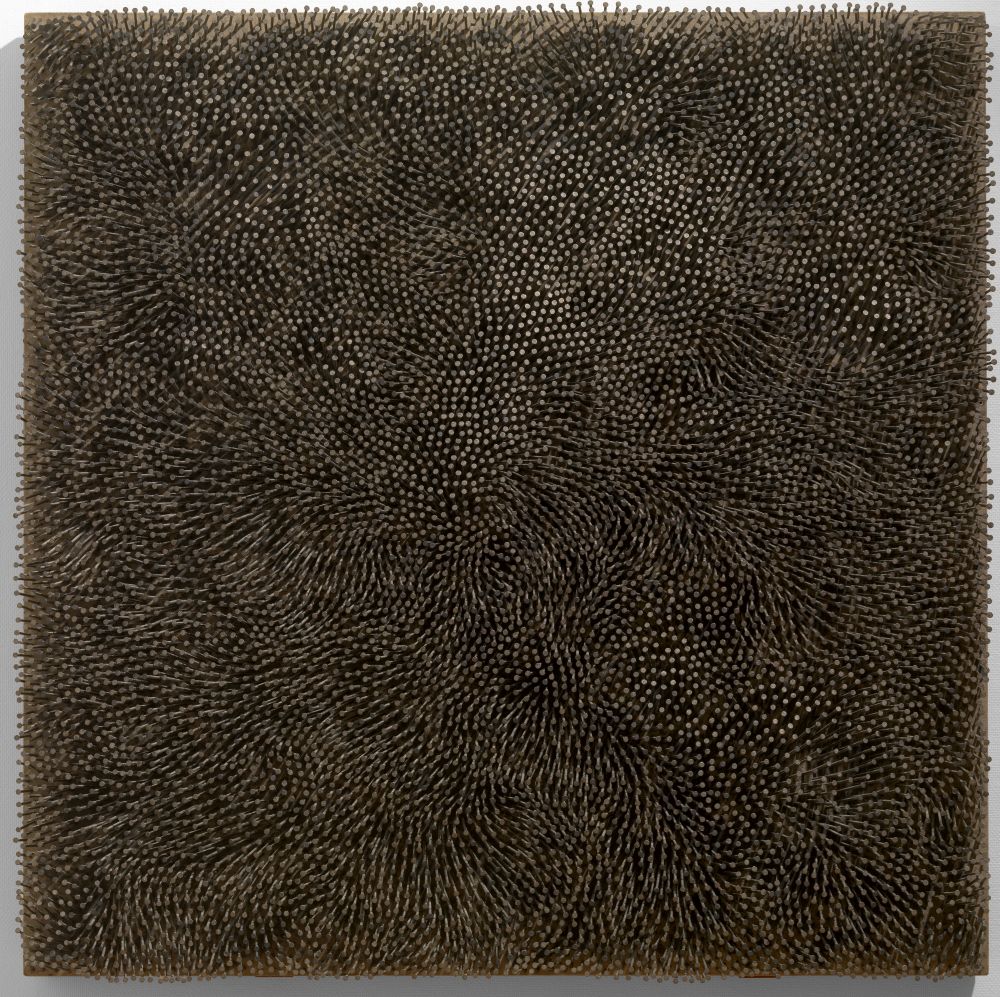
Dark Field - Günther Uecker
4. La Panchromie, the theory of Jules Schmalzigaug
Jules Schmalzigaug based his color physics on that of the American Ogden Rood. With his inventive avant-garde theory La Panchromie, the artist created a link between painting, natural science, and music. He applied colors to the canvas according to a specific rhythm, aiming to produce a harmonious image that represents both visual and acoustic experiences. Dark colors, which absorb light, and light colors, which reflect it, are placed side by side, creating a vibrating variation of the natural law that every action has a reaction. Schmalzigaug went a step further: he notated color combinations on the five lines of a musical staff, effectively composing scores for color compositions. He even dreamed of a color keyboard, on which impressions of light could be played.
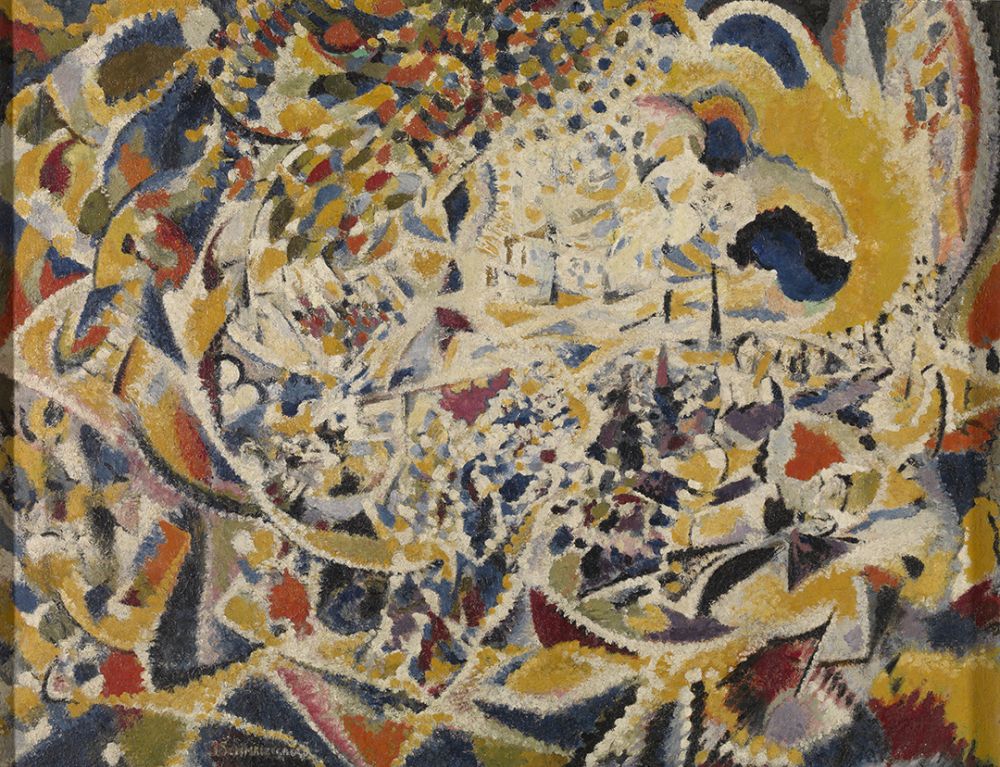
Rhythm of Light Waves: Street + Sun + Crowd - Jules Schmalzigaug
5. The tonality of silence
If you see a color when you hear a sound, or smell a scent when tasting, you are a synesthete. This applies to about four percent of humanity. The stimulation of one sense automatically evokes multiple experiences at once. Neurologists are working to understand how and why these atypical perceptions occur.
Poet Maurice Gilliams (1900–1982) attempted to explain how this works in art. In his inspiring Introduction to the Idea of De Braekeleer, Gilliams suggests that Ensor “listens” to his color harmonies. In other words, color evokes sound. But Henri De Braekeleer compels us, alongside The Man in the Chair, to listen to silence—“eternal and terrible.” The poet does not shy away from grandiose words. De Braekeleer evokes that silence by combining light, shadow, and emptiness in a precise way, and by suggesting “absolute stillness.”
At the beginning of the 19th century, Romantic thinkers and poets hoped that this simultaneous perception of sensory stimuli would become the essence of all the arts. Maurice Gilliams continued to hope and believe in this vision.
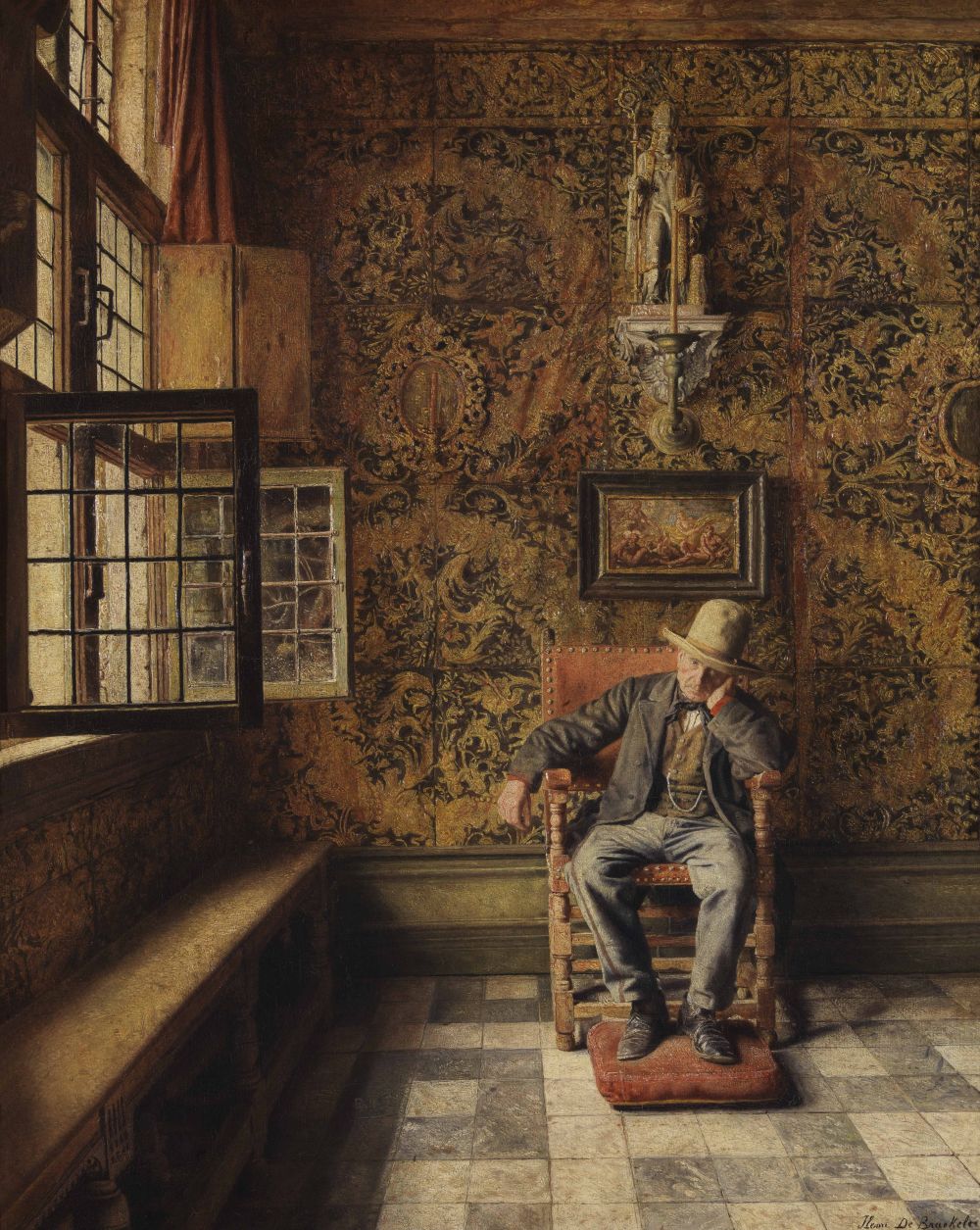
The Man in the Chair - Henri De Braekeleer